
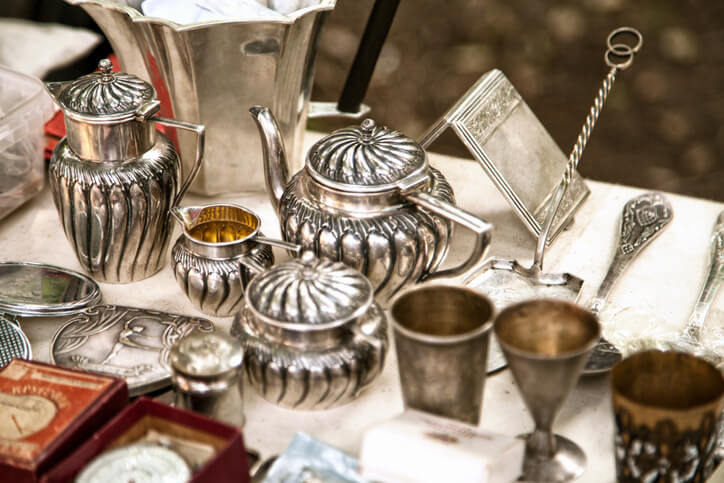
Selling an antique collection can be an important decision, especially when the items have been in your family for many years. Whether you have inherited furniture, artwork, jewelry, watches, coins, Asian antiques, or other collectible pieces, knowing their true value is important before deciding what to do with them.
Finding experienced antique buyers can make the selling process easier and more comfortable. A professional buyer can examine your items, consider their condition and history, and provide an honest evaluation based on different factors that influence the market value.
If you are planning to sell antiques in New York, working with experienced professionals can also help you avoid common mistakes and give you a clearer idea of what your collection may be worth.
Why Should You Work With Experienced Antique Buyers?
Antiques are not valued simply because they are old. Several factors can affect the price of an item, including its condition, authenticity, maker, rarity, history, materials, and current demand.
Experienced buyers know what details to look for when examining an antique. They can often identify features that may not be obvious to someone without experience in the field.
When choosing an antique buyer, look for professionals who have experience with different types of antiques and understand the local market. A reliable buyer should also explain the evaluation process clearly and give you enough information to make your own decision.
What Factors Can Affect the Value of an Antique?
The value of an antique can vary significantly from one item to another. Two pieces that look similar may have very different values because of their history, condition, authenticity, or maker.
Some important factors include:
- Age and historical importance
- Rarity and availability
- Maker or artist
- Original materials
- Condition
- Provenance and ownership history
- Authenticity
- Quality of craftsmanship
- Current market demand
For example, a piece created by a well known artist or manufacturer may have greater value than a similar item without an identifiable maker. Original details and good condition can also make a major difference.
This is why it is useful to have valuable items examined before deciding to sell them.
When Is an Antique Appraisal Useful?
An antique appraisal can be useful when you want a better understanding of what an item may be worth. Many people seek an appraisal after inheriting antiques, preparing an estate, downsizing their home, or considering a sale.
An appraisal can provide information about an item’s age, origin, condition, authenticity, and potential value. It can also give you useful information before speaking with potential buyers.
If you have several items, having the collection reviewed together may provide a clearer picture of what you own. This can be particularly helpful when the collection includes different types of antiques.
What Do Professional Antique Appraisers Examine?
Professional antique appraisers examine several details before reaching an opinion about an item’s value.
They may look at the item’s construction, materials, markings, signatures, style, age, condition, and history. They may also consider whether an item has been repaired, restored, or altered over the years.
For artwork, the artist, signature, provenance, medium, and condition can be important. For furniture, craftsmanship, materials, age, design, and maker can influence value. Jewelry may be assessed based on its design, materials, gemstones, maker, age, and condition.
A careful evaluation can help you understand why an item has a particular value rather than simply receiving a number without an explanation.
What Types of Antiques Can Be Evaluated?
Antique collections can include many different types of valuable objects. Some collections contain a mixture of everyday items and rare pieces, while others focus on a particular category.
Professional buyers may evaluate items such as:
- Antique furniture
- Paintings and artwork
- Antique jewelry
- Watches
- Coins
- Asian and Chinese antiques
- Military items
- Carpets and rugs
- Collectibles
- Handbags
- Century collections
- Decorative objects
- Rare and historical pieces
The value of each item depends on its individual characteristics. Even objects that appear ordinary may have collectible or historical value.
What Role Do Estate Buyers Play?
Handling an estate can be difficult when there are many belongings to sort through. Family members may not know which items are valuable, which pieces should be preserved, or what can be sold.
Experienced estate buyers can help make this process more manageable. They can review antiques and collectibles and help identify items that may have value.
This can be particularly useful when dealing with an inherited collection or preparing a property for sale. Instead of spending a significant amount of time researching every item yourself, you can have experienced professionals review the collection.
An estate buying service can also make the process more convenient for families who need to organize a large number of belongings.
Should You Sell Antiques to Antique Dealers?
Many sellers consider working with antique dealers because they have knowledge of antiques and the market. However, it is important to understand the difference between selling directly to a buyer and consigning an item or placing it with a dealer.
A direct buyer may purchase the item from you, allowing you to complete the sale without waiting for it to sell to another customer. Dealers may have different business models, so you should always ask how the process works before making a decision.
Take the time to understand the offer, ask questions, and compare your options. A transparent selling process can help you feel more confident about the transaction.
What Should You Do Before Selling Your Antiques?
Before selling valuable antiques, it is worth taking a few simple steps.
First, avoid cleaning or repairing an old item unless you know exactly what you are doing. Incorrect repairs or aggressive cleaning can sometimes affect its condition and potential value.
Next, collect any information you have about the item. Old receipts, photographs, family records, certificates, previous appraisals, and ownership history may provide useful information.
You should also take clear photographs if you are contacting a buyer remotely. Include photographs of the front, back, sides, markings, signatures, labels, and any visible damage.
Most importantly, do not rush into a sale simply because you are unsure about an item’s value. Getting a professional opinion can help you make a more informed choice.
Why Choose Professional Antique Buyers in New York?
New York has a strong market for art, antiques, jewelry, furniture, collectibles, and other valuable objects. Families may have collections that have been passed down for generations, while collectors may have spent years building their own collections.
Working with local professionals can make the process more convenient. You may be able to arrange an evaluation without having to transport large or delicate antiques yourself.
Experienced professionals can also understand the local market and the types of items commonly bought and sold in the New York area.
For sellers in Manhattan, Long Island, Great Neck, and nearby areas, choosing an established local buyer can provide a convenient way to discuss your collection and understand your options.
What Makes a Reliable Antique Buyer?
Choosing the right buyer is just as important as understanding the value of your antiques.
Consider the following points:
- Experience with the type of antiques you own
- Clear communication
- Professional evaluations
- Transparent offers
- Knowledge of the local market
- Convenient evaluation options
- Positive customer experiences
- A straightforward selling process
You should feel comfortable asking questions about your items and the offer you receive. A professional buyer should be willing to explain the process rather than pressure you into making a quick decision.
Can Professional Buyers Make the Selling Process Easier?
Selling antiques does not have to be complicated. The process becomes easier when you know what you have, understand its potential value, and work with professionals who communicate clearly.
A typical process may begin with photographs or an initial discussion about your items. The buyer can then examine the pieces in more detail and provide an evaluation.
If you decide to proceed with a sale, the next steps can be discussed clearly before anything is finalized.
This approach gives sellers an opportunity to ask questions and understand the offer before making a decision.
What Are the Benefits of a Professional Evaluation?
A professional evaluation can give you more confidence when deciding whether to sell an antique. It can help you understand the characteristics of your item and the factors that may influence its value.
This is particularly helpful when you have inherited antiques and do not know much about their history.
Instead of relying only on online listings or general price estimates, you can have the actual item examined. This can provide a more useful starting point when considering your selling options.
Frequently Asked Questions
1. How can I find reliable antique buyers?
Look for experienced professionals with knowledge of the types of antiques you own. Check their services, customer feedback, evaluation process, and experience before deciding who to contact.
2. Is an antique appraisal necessary before selling?
An appraisal can be helpful, particularly when you have rare, valuable, or inherited items. It can give you a better understanding of the item’s characteristics and potential value before you consider a sale.
3. What do antique appraisers consider when valuing an item?
They may consider the item’s age, authenticity, condition, maker, materials, rarity, provenance, craftsmanship, and current market demand.
4. Can estate buyers help with inherited antiques?
Yes. Estate buyers can review antiques and collectibles as part of an estate and help identify items that may have value. This can make the process easier when families are dealing with a large collection.
5. Are antique dealers and antique buyers the same?
Not always. Their business models can differ. Some dealers sell items to their customers, while direct buyers may purchase items from sellers. It is important to understand the terms before completing a transaction.
6. Should I clean my antiques before selling them?
It is usually better to avoid making major changes before a professional evaluation. Cleaning, refinishing, or repairing an antique incorrectly can potentially affect its condition and value.
7. Can an entire antique collection be evaluated?
Yes. Many collections can be reviewed as a group. This can be useful when you have inherited a large number of antiques or are preparing an estate.
Get the Right Guidance Before Selling Your Collection
Selling antiques is a decision that deserves careful consideration. Whether you have one valuable piece or an entire collection, understanding the item’s history, condition, authenticity, and potential market value can help you make a better decision.
Experienced professionals can help you understand what you have and guide you through the selling process. From antique furniture and artwork to jewelry, watches, Asian antiques, coins, and collectibles, each item deserves proper attention before a sale.
If you are ready to discuss your collection or want to learn more about the evaluation process, professional assistance can help you take the next step with greater confidence.
For more information:
Call Us: 212 432 5887
Email Us: DJantiquebuyers@gmail.com
