
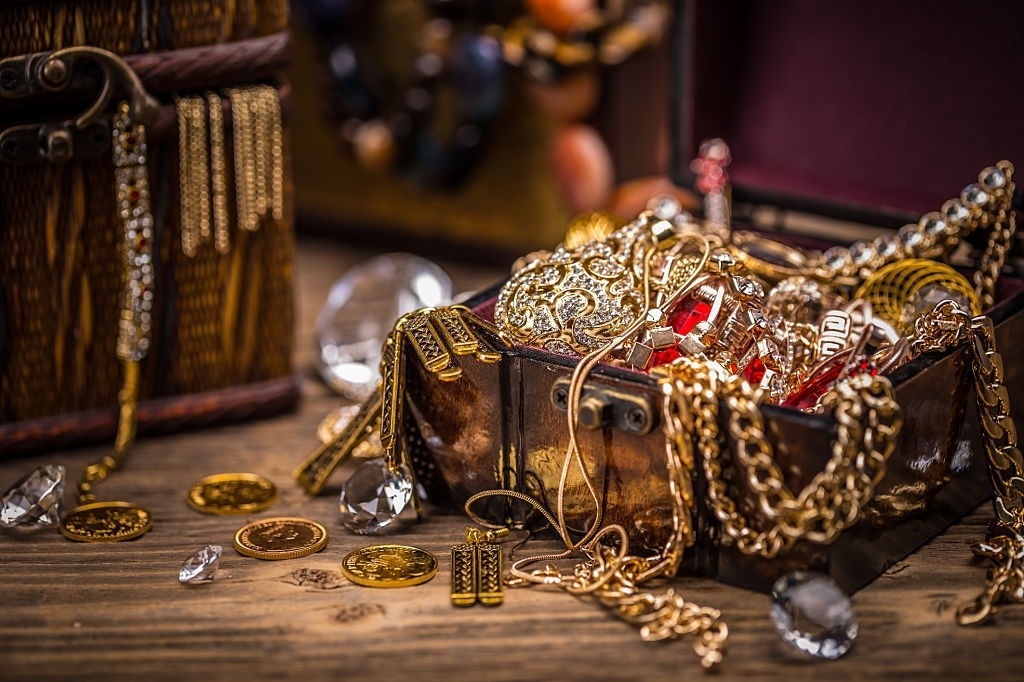
Antique jewelry can be much more than something beautiful to wear. A ring, necklace, bracelet, brooch, or pair of earrings may carry history, craftsmanship, and materials that give it lasting value. If you have inherited jewelry or found an older piece in your collection, you may wonder how much it is really worth.
Understanding the value of antique jewelry is not always simple. Age, condition, design, materials, maker, gemstones, and rarity can all affect the final value. Working with experienced Antique Jewelry Buyers can help you understand what you have and what options are available if you decide to sell it.
What Makes Antique Jewelry Valuable?
Several factors can influence the value of an antique jewelry piece. Two items may look similar but have very different values because of their age, maker, materials, or condition.
Age is one of the first things considered. Jewelry from an important historical period may be more desirable to collectors. However, being old alone does not automatically make a piece valuable.
The maker can also make a major difference. Jewelry created by a recognized designer or manufacturer may have greater demand among collectors. Marks, signatures, stamps, and other identifying details can help establish the origin of a piece.
The materials used in the jewelry are also important. Gold, platinum, silver, diamonds, sapphires, emeralds, rubies, pearls, and other gemstones can contribute to value. The quality and condition of these materials should also be considered.
Rarity is another important factor. A unique design, limited production piece, or unusual antique may attract collectors who are looking for something difficult to find.
Why Consider an Antique Jewelry Appraisal?
If you own an older piece of jewelry, it can be difficult to estimate its value simply by looking at it. Online listings and general price guides may provide some information, but they cannot always account for the individual characteristics of your jewelry.
An Antique Jewelry Appraisal can provide a better understanding of the piece and the factors that may influence its value.
An appraisal may consider the jewelry’s age, materials, craftsmanship, condition, designer, history, and other characteristics. Proper evaluation is especially useful when you have inherited jewelry and do not know its background.
It can also be helpful before making a decision about selling. Knowing more about a piece can give you greater confidence when discussing its potential value with a professional buyer.
How Do Antique Jewelry Buyers Determine Value?
Professional buyers look at more than just the amount of gold or gemstones in a piece. The overall character and history of antique jewelry can be important.
During an evaluation, a buyer may examine:
- Age and period
- Designer or maker
- Gold, silver, or platinum content
- Gemstones and their quality
- Craftsmanship
- Condition
- Rarity
- Provenance and history
- Current collector demand
- Overall market interest
The condition of antique jewelry is particularly important. Some signs of age are expected and may even add character, while serious damage or missing stones can affect value.
Documentation can also be useful. Receipts, previous appraisals, certificates, family records, or information about where the jewelry came from may help provide a clearer picture of its history.
Common Types of Antique Jewelry
Antique jewelry comes in many forms. Some pieces are valued for their precious materials, while others are sought after because of their design, age, craftsmanship, or history.
Common examples include antique rings, necklaces, bracelets, earrings, brooches, pendants, lockets, and jeweled accessories.
Certain styles may also attract collectors because they represent a particular period or design movement. Jewelry with detailed handwork, unusual settings, or distinctive decorative elements can be especially interesting.
Inherited jewelry can also include pieces that families have owned for generations. Even if you do not know the exact history of an item, a professional evaluation may help identify important details that are not immediately obvious.
Should You Sell Antique Jewelry?
Deciding whether to sell antique jewelry is a personal choice. Some people keep inherited pieces because of their sentimental value, while others may prefer to sell jewelry they no longer wear or need.
If you are considering whether to Sell Antique Jewelry, it is useful to understand the piece before making a decision.
Take time to gather any information you have about the jewelry. If it belonged to a family member, ask relatives whether they know when or where it was purchased. Keep any existing paperwork or certificates with the piece.
Most importantly, avoid making a decision based only on the weight of the metal. Antique jewelry can have value beyond its material content because of its design, maker, rarity, and collector interest.
Why Work With Professional Antique Jewelry Buyers?
Selling valuable or historic jewelry can feel uncertain, especially when you do not know how the market works. A professional buyer can help make the process easier by examining the jewelry and explaining the factors that affect its value.
Experienced buyers understand that every piece is different. They can look at the details that may be overlooked when someone tries to estimate the value on their own.
Professional evaluation can also save time. Instead of trying to research different websites, compare unrelated listings, or guess the value of an inherited piece, you can have the jewelry examined by someone familiar with antique and estate items.
At Antique Estate Buyers, customers can discuss their antique jewelry with experienced professionals and learn more about the pieces they own.
What Should You Do Before Selling Antique Jewelry?
Before bringing antique jewelry to a buyer, handle each piece carefully. Do not attempt aggressive cleaning or repairs unless you know they are appropriate for the item.
Cleaning can sometimes damage delicate finishes or remove details that are important to collectors. Older jewelry may have fragile settings, worn clasps, or gemstones that need careful handling.
It is also helpful to keep pieces together with any related documentation. Original boxes, receipts, certificates, photographs, or family records may provide useful information about the jewelry.
If you have several pieces, organize them before an evaluation. This makes it easier to discuss each item and understand which pieces may have particular value.
Selling Antique Jewelry in New York
New York is home to collectors, dealers, galleries, and businesses interested in antiques and fine jewelry. This makes it an important market for people who are considering selling older jewelry.
However, finding the right buyer is still important. A professional who understands antique jewelry can look beyond the basic material value and consider the qualities that make a particular piece desirable.
If you have inherited jewelry, are downsizing, or simply have pieces that you no longer want, getting a professional opinion can be a useful first step.
Why Choose Antique Estate Buyers?
Antique Estate Buyers works with people who want to understand and sell valuable antique and estate items. The team handles different types of antiques and collectibles, including antique jewelry.
The goal is to make the process straightforward. Instead of guessing what an old ring, necklace, bracelet, or other jewelry piece may be worth, you can have it examined and discuss your options with an experienced buyer.
Whether you have one inherited piece or a larger jewelry collection, professional guidance can help you make a more informed decision.
Frequently Asked Questions
How old does jewelry have to be to be considered antique?
There is no single factor that determines whether jewelry is valuable. Age is important, but design, maker, materials, condition, rarity, and historical significance can also affect its desirability and value.
Do I need an appraisal before selling antique jewelry?
An appraisal is not always required, but it can help you understand the characteristics and potential value of your jewelry. It may be particularly useful if you have inherited a piece or do not know much about its history.
Can I sell one piece of antique jewelry?
Yes. You do not necessarily need to have a large collection. Individual rings, necklaces, bracelets, earrings, brooches, and other antique jewelry pieces can be evaluated separately.
How can I tell if my antique jewelry is valuable?
Look for maker’s marks, signatures, metal stamps, gemstones, unusual designs, and information about the item’s history. However, determining value requires more than identifying these features. A professional evaluation can provide a clearer understanding.
Should I clean antique jewelry before selling it?
It is better to be careful with cleaning. Some antique pieces are delicate, and improper cleaning can cause damage or affect original finishes. A professional can advise you on the best way to handle the jewelry.
What documents should I bring when having antique jewelry evaluated?
Bring any certificates, receipts, previous appraisals, photographs, original packaging, or family records you have. These documents may provide useful information about the item’s history and authenticity.
Get a Professional Opinion About Your Antique Jewelry
Antique jewelry can hold value for many different reasons. Its age, craftsmanship, materials, maker, rarity, condition, and history can all play a role. If you have inherited jewelry or own pieces that you are considering selling, getting professional guidance can help you understand what you have.
Rather than relying on guesswork, consider having your jewelry examined by experienced professionals who understand antique and estate pieces. A proper evaluation can help you make a more informed decision about keeping, appraising, or selling your collection.
For more information:
Call Us: 212-432-5887
Email Us: DJantiquebuyers@gmail.com
