
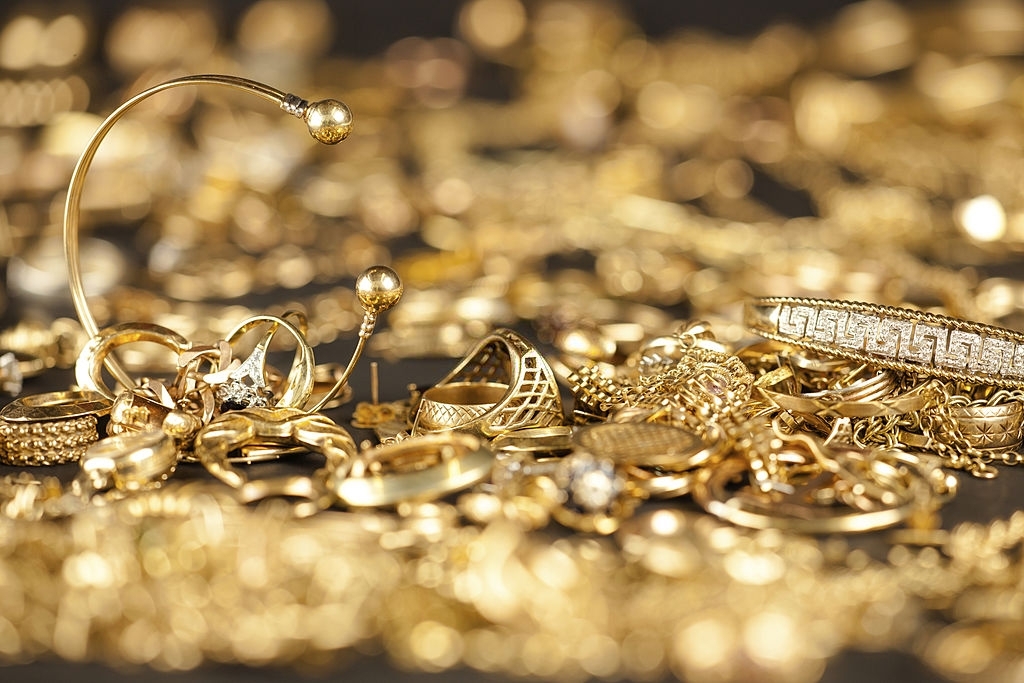
An old ring tucked away in a jewelry box, a necklace passed down through generations, or a pair of vintage earrings inherited from a family member may be worth more than you think. Antique jewelry often carries both sentimental and financial value, but understanding its true worth can be difficult without professional guidance.
Many people consider selling their jewelry when downsizing, managing an estate, or simply deciding to part with pieces they no longer wear. The challenge is finding a trustworthy buyer who understands the item’s age, craftsmanship, materials, and history.
Working with experienced Antique Jewelry Buyers can help you understand your options before making a decision. Whether you own antique gold jewelry, vintage brooches, diamond rings, or a collection of family heirlooms, a professional evaluation can help you make a more informed choice.
What Makes Antique Jewelry Valuable?
Antique jewelry is appreciated for its history, craftsmanship, design, and materials. Unlike modern mass produced pieces, many older items feature detailed handwork, distinctive settings, and designs that reflect the period in which they were made.
Several factors can influence the value of antique jewelry.
- Age and historical period: Jewelry from certain periods may attract collectors because of its distinctive design and historical importance.
- Materials: Gold, platinum, silver, diamonds, emeralds, sapphires, rubies, and other gemstones can contribute to value.
- Craftsmanship: Intricate engraving, hand finished details, and unusual settings may make a piece more desirable.
- Designer or maker: Recognized makers and signed pieces may attract additional collector interest.
- Condition: Missing stones, repairs, wear, and alterations can affect value.
- Rarity: Unusual designs and limited examples may be more desirable than common pieces.
- Provenance: Original receipts, certificates, family records, and other documents may help establish a piece’s history.
Age alone does not determine value. A relatively simple antique piece may have limited market demand, while another item may attract considerable interest because of its maker, rarity, or design.
Why Choose Professional Antique Jewelry Buyers?
Selling valuable jewelry can feel uncertain when you do not know what your items are worth. Online listings may show asking prices rather than completed sales, and similar looking pieces can have very different values.
Professional buyers have experience examining different types of jewelry and identifying details that may affect its appeal to collectors.
When choosing a buyer, look for someone who explains the evaluation process, answers your questions, and provides a clear offer without pressuring you to accept it.
D & J Antique Buyers is an antique and estate buying business serving New York City and Long Island. The company evaluates valuable antiques and collectibles, including antique jewelry, and offers sellers a way to discuss their items before deciding whether to proceed with a sale.
You can learn more about its Antique Jewelry Buyers and the available evaluation options.
When Should You Consider an Antique Jewelry Appraisal?
An Antique Jewelry Appraisal can be useful when you want to understand the potential value of a piece before selling it. It can also help when managing an inheritance, organizing an estate, or reviewing a collection that has been in your family for years.
During an evaluation, a specialist may examine the metal, gemstones, markings, construction, condition, and design. They may also consider the item’s age, maker, rarity, and current market demand.
There is an important difference between a selling estimate and a formal written appraisal. A selling estimate helps you understand what a buyer may offer, while a formal appraisal may be required for insurance, estate planning, or legal purposes.
If you need a written valuation for a specific purpose, explain that requirement before arranging an appointment.
Which Types of Antique Jewelry Can You Sell?
Antique jewelry comes in many forms. You may have inherited one special piece or discovered an entire collection while sorting through a family estate.
Common examples include:
- Antique engagement rings
- Vintage diamond rings
- Gold and platinum jewelry
- Antique necklaces and pendants
- Pearl necklaces
- Vintage bracelets and bangles
- Antique brooches
- Earrings from earlier periods
- Cameo jewelry
- Signed designer jewelry
- Antique gemstone pieces
- Heirloom jewelry collections
Each category has its own valuation considerations. For example, a diamond ring may be assessed based on its stones, metal, design, condition, and maker. A signed vintage brooch may attract collector interest because of its design and rarity.
If you have several pieces, keep them together until they have been reviewed. This may help you understand the collection as a whole.
How to Prepare Before You Sell Antique Jewelry
Before you Sell Antique Jewelry, take a little time to prepare your items. This can make the evaluation process easier and help you provide useful information to the buyer.
Start by gathering any documents associated with the jewelry. Receipts, gemstone certificates, original boxes, previous valuations, and family records may help establish the item’s background.
Next, take clear photographs if you are contacting a buyer online. Photograph the front and back of each piece, along with any signatures, hallmarks, engravings, or visible damage.
Avoid aggressive cleaning or attempting repairs yourself. Polishing, replacing stones, or changing original settings may affect the item’s condition or collector appeal.
You should also avoid assuming that a piece is valuable only because it contains gold or gemstones. Its design, history, rarity, and overall condition may also influence its market value.
For guidance about selling your pieces, visit the sell antique jewelry service page to review the available options.
Finding an Antique Jewelry Buyer Near Me
When searching for an Antique Jewelry Buyer Near Me, convenience matters, but experience and transparency are just as important.
A local buyer may allow you to arrange an in person evaluation, discuss your jewelry directly, and avoid the uncertainty of sending valuable items to an unfamiliar business.
Before choosing a buyer, consider the following:
- Check the company’s services and contact details.
- Ask about its experience with antique and vintage jewelry.
- Find out whether it offers preliminary estimates from photographs.
- Ask how the final offer is determined.
- Understand the terms before accepting an offer.
- Take time to compare options if you are unsure.
D & J Antique Buyers lists locations in Manhattan and Great Neck, Long Island, and asks visitors to arrange appointments. If you prefer to begin online, you can contact the company about sharing photographs of your items.
You can also visit the antique jewelry appraisal page to learn more about discussing your collection with the business.
Selling Inherited Jewelry Without Losing Its History
Inherited jewelry can be difficult to part with because it may have belonged to a parent, grandparent, or another family member. Some pieces carry memories that go beyond their financial value.
Before deciding to sell, separate items that family members want to keep from those you are comfortable letting go. If several relatives have an interest in the collection, discussing the decision beforehand can help prevent misunderstandings.
Keep family photographs, letters, receipts, and other records connected to the jewelry. These details may provide useful background about the pieces.
If you decide to sell inherited jewelry, having the items evaluated first can help you understand their potential market value and make a decision with greater confidence.
What Affects an Offer From Buyers of Antique Jewelry?
Buyers of Antique Jewelry consider more than the item’s appearance. They may examine its authenticity, materials, condition, design, maker, and potential resale demand.
The offer may also differ from an insurance replacement value or a price seen in an online listing. A buyer needs to consider the item’s likely resale market, associated costs, and demand when deciding what to offer.
For this reason, it is helpful to ask questions about the evaluation rather than focusing on one price alone.
A professional buyer should explain the basis of an offer clearly enough for you to understand the decision. You should also have time to consider the terms before completing a sale.
Common Mistakes to Avoid When Selling Antique Jewelry
A few simple precautions can help protect your jewelry and make the selling process smoother.
Cleaning pieces too aggressively: Antique finishes and delicate settings may be damaged by unsuitable cleaning methods.
Discarding original packaging: Boxes, certificates, and receipts may provide useful supporting information.
Judging value by gold weight alone: Materials matter, but craftsmanship, rarity, gemstones, and collector demand may also contribute to value.
Relying only on online asking prices: Listed prices do not always reflect the amount a buyer will actually pay.
Accepting an offer under pressure: Take the time to understand the offer and ask questions before agreeing to a sale.
Failing to document the items: Clear photographs and a basic list of your jewelry can help you stay organized throughout the process.
Frequently Asked Questions
1. How do I find reliable antique jewelry buyers?
Look for buyers with experience in antique jewelry, clear business information, and a transparent evaluation process. Ask questions about how they assess items and how their offers are determined.
2. Is an antique jewelry appraisal necessary before selling?
An appraisal or preliminary evaluation can help you understand the potential value of your jewelry. A formal written appraisal may be needed for insurance, estate, or legal purposes, so explain your needs before arranging one.
3. Can I sell antique gold and diamond jewelry?
Yes, antique gold jewelry and diamond pieces may be suitable for sale, depending on their materials, condition, authenticity, design, and market demand. A professional evaluation can help you understand your options.
4. Does old jewelry always have a high value?
No. Age alone does not guarantee a high price. The maker, materials, rarity, condition, craftsmanship, and current demand all influence value.
5. Can I sell inherited jewelry without original receipts?
You can still request an evaluation even if you do not have receipts. However, any available certificates, photographs, family records, or other supporting information may help establish the item’s history.
6. Should I clean antique jewelry before taking it for appraisal?
Avoid aggressive cleaning or repairs before an evaluation. A professional can examine the piece in its current condition and advise whether any further steps are appropriate.
7. Can I sell an entire antique jewelry collection?
Yes, you can ask a buyer to review multiple pieces together. The buyer can assess the individual items and explain the available options based on the collection.
Get Your Antique Jewelry Evaluated With Confidence
Antique jewelry can hold financial, historical, and sentimental value. Whether you have an inherited ring, a vintage necklace, signed designer jewelry, or a collection of family heirlooms, understanding its characteristics is an important first step before selling.
D & J Antique Buyers helps people in New York City and Long Island explore the value of antiques and collectible items, including antique jewelry. By gathering the details of your pieces and asking the right questions, you can approach the selling process with greater confidence.
If you are ready to discuss your jewelry, contact the team to learn more about the evaluation process.
For more information:
Call Us: 212 432 5887
Email Us: DJantiquebuyers@gmail.com
