
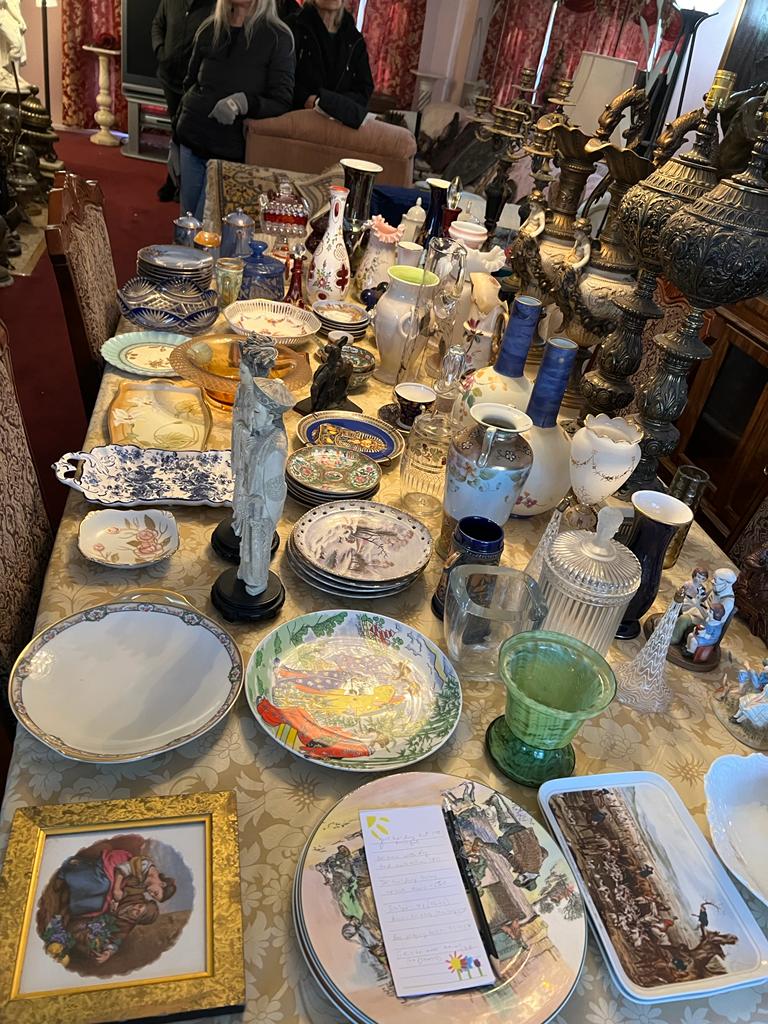
An old painting hanging in the hallway, crystal glasses kept inside a cabinet, or a collection of coins inherited from a family member may be worth more than you expect. Many homes contain valuable antiques that have been collected over decades, but their owners may not know which pieces attract interest from collectors.
Understanding the value of antique estate collectables can help you make informed decisions when selling an inherited collection, downsizing, or clearing a family property. Items such as fine art, antique furniture, coins, decorative objects, and collectible crystal may have financial value depending on their age, condition, authenticity, and rarity.
D & J Antique Buyers is an antique buying business serving New York City and Long Island. The company helps people evaluate and sell individual antiques and larger collections, including artwork, coins, carpets, and other collectible items. If you have valuable pieces at home, learning what influences their worth is a useful first step.
What Makes Antique Estate Collectables Valuable?
Antique and collectible items can attract buyers for different reasons. Some have historical importance, while others are appreciated for their craftsmanship, design, materials, or connection to a particular artist or manufacturer.
The age of an item alone does not determine its value. A rare piece in good condition may attract more interest than an older item that is widely available or has significant damage.
Several factors can influence the value of a collection:
- Age and history: Older pieces may have historical or cultural significance.
- Condition: Cracks, chips, missing parts, and repairs can affect value.
- Rarity: Unusual designs and limited examples may attract collectors.
- Maker or artist: Recognized manufacturers and artists can increase collector interest.
- Authenticity: Original items may be more desirable than reproductions.
- Provenance: Receipts, certificates, and ownership records can help establish an item’s background.
- Market demand: Collector preferences change, so current demand also matters.
If you have inherited a collection, it is worth having the pieces reviewed before donating them, discarding them, or accepting an offer.
Why Is Baccarat Crystal Glass Popular With Collectors?
Baccarat crystal glass is associated with fine French crystal craftsmanship. Baccarat has a long history of producing decorative crystal objects, glassware, and other pieces that appeal to collectors.
Depending on the item, collectors may consider its design, pattern, age, condition, authenticity, and rarity when assessing its value. Some pieces may also be more desirable because of their particular style or limited availability.
If you have Baccarat crystal in your home, look for maker’s marks, labels, original packaging, and any documents that came with the pieces. These details may help identify the item and provide useful information about its history.
Avoid throwing away older pieces simply because they are no longer used for everyday dining. A decorative crystal object or an inherited glassware collection may deserve a closer look before you decide what to do with it.
What Makes Lalique Crystal Glass Special?
Lalique crystal glass is another category that attracts interest from collectors who appreciate decorative glass and distinctive design.
Lalique is known for artistic glasswork, including sculptural forms, decorative objects, and designs inspired by nature. Depending on the piece, its value may be influenced by the design, period, authenticity, condition, and collector demand.
Before selling Lalique crystal, examine the item for signatures, markings, labels, and any original documentation. Avoid attempting to remove stubborn marks or repair chips yourself, as unsuitable cleaning or repairs can affect the condition of a collectible object.
Not every Lalique piece has the same market value. Having the individual item examined is a better way to understand its potential worth than relying only on prices listed for similar pieces online.
Have Valuable Crystal or Antique Collectables to Sell?
Find out more about your collection with help from D & J Antique Buyers.
Which Other Antique Collections May Be Worth Selling?
Crystal is only one part of the antique market. Many collections contain several categories of items that may attract interest from different buyers.
Common examples include:
Fine Art and Paintings
Paintings, watercolors, portraits, landscapes, and other artwork may have value based on the artist, subject, medium, provenance, condition, and market demand. Signatures and supporting documents can be particularly useful when identifying a work.
Antique Furniture
Older cabinets, tables, chairs, desks, and decorative furniture may attract interest because of their craftsmanship, materials, age, maker, and design. Original features can sometimes be important when evaluating a piece.
Coins and Currency
Coin collections may include American or foreign coins, gold and silver coins, bullion coins, and paper currency. Their value can depend on rarity, condition, date, minting details, metal content, and collector demand.
Carpets and Rugs
Older rugs and carpets may be valued according to their design, craftsmanship, age, condition, origin, and materials. Large or delicate rugs should be handled carefully before an evaluation.
Jewelry and Watches
Antique jewelry, vintage watches, and inherited accessories may attract interest because of their materials, makers, design, and history.
If you own several types of antiques, organizing them into categories can make it easier to understand what your collection contains.
How Can You Identify Valuable Items in an Inherited Collection?
When handling an inherited collection, it is easy to overlook valuable pieces among ordinary household belongings. Some items may be stored in cupboards, boxes, basements, or attics and may not have been examined for years.
Start by looking for identifying details such as signatures, maker’s marks, labels, certificates, and original packaging. Keep related items together and collect any family photographs, receipts, or documents that may provide background information.
Take clear photographs of the items, including their markings and any visible damage. This can help when you contact a professional buyer to discuss the collection.
Most importantly, avoid assuming that an object has no value simply because it looks old or unfamiliar. A professional evaluation may reveal information that is not immediately obvious.
When Should You Sell Antique Estate Collectables?
There are several situations in which selling a collection may make sense. You may have inherited antiques that you do not have room to keep, be preparing a property for sale, or simply want to sell items that are no longer needed.
Some people choose to sell individual pieces, while others prefer to sell a larger collection together. The right approach depends on the type of items, their condition, and your personal circumstances.
If you are considering selling, speaking with experienced antique collection buyers can help you understand the evaluation process and available options.
You do not necessarily need to sell every item. You can keep pieces with sentimental importance and discuss the remaining items separately.
How Is an Antique Collection Evaluated?
An evaluation usually involves examining the individual items and considering the factors that may influence their value.
For crystal, this may include the manufacturer, pattern, condition, and authenticity. For artwork, the evaluator may examine the artist, signature, medium, provenance, and condition. Coins may require attention to their date, minting details, rarity, and preservation.
A buyer may also consider current market demand and the potential resale market when making an offer.
D & J Antique Buyers states that it provides free verbal evaluations for antique collections and offers appointments at its New York City and Great Neck locations. The company also indicates that home visits may be arranged for collections that are too large to transport.
If you want to sell antique collections, gather the information you have and ask how the items will be reviewed before deciding whether to accept an offer.
Why Choose an Experienced Antique Collection Buyer?
Selling antiques can be confusing when you are unfamiliar with the market. An experienced buyer can help you understand what details matter and explain the available options.
Look for a business that communicates clearly, explains its evaluation process, and gives you time to consider an offer. It is also useful to choose someone familiar with the types of items you own.
D & J Antique Buyers has a dedicated service for people looking to sell individual antiques or entire collections in New York City and Long Island. Its collection buying service covers categories including artwork, coins, and antique rugs.
You can visit the antique collection appraisal service page to learn more about arranging an evaluation.
Whether you have a few collectible objects or a complete estate collection, asking questions before selling can help you make a more informed decision.
What Should You Do Before Selling Your Collection?
A little preparation can make the process easier and help protect your belongings.
- Keep fragile items in a safe place.
- Avoid polishing or repairing antiques before evaluation.
- Gather certificates, receipts, and other supporting documents.
- Photograph maker’s marks, signatures, and labels.
- Separate items you want to keep from those you may sell.
- Ask questions about the evaluation and offer.
- Compare your options if you are unsure about the proposed price.
For large collections, arranging an evaluation before moving everything may also help reduce the risk of damage during transportation.
If you are preparing to sell valuable artwork, coins, crystal, or other collectibles, you can contact antique buyers in New York to discuss the items you have and the next steps.
Frequently Asked Questions
1. What are antique estate collectables?
Antique estate collectables are objects from private collections, inherited properties, and family estates that may attract historical, decorative, or collector interest. Examples include artwork, furniture, crystal, coins, rugs, jewelry, and other collectibles.
2. Is Baccarat crystal glass valuable?
Some Baccarat crystal pieces may have significant collector interest. Their value depends on factors such as the design, age, authenticity, condition, rarity, and current market demand.
3. Is Lalique crystal glass collectible?
Yes. Lalique pieces are collected for their distinctive designs and craftsmanship. Individual values can vary depending on authenticity, condition, rarity, and collector interest.
4. Can I sell only one item instead of an entire collection?
Yes. You can ask a buyer to evaluate an individual antique or a group of items. You do not necessarily need to sell your entire collection at once.
5. What documents should I keep before selling antiques?
Keep any receipts, certificates, previous valuations, photographs, original packaging, and ownership records associated with the items. These details may help establish their identity and history.
6. Does an antique’s age guarantee its value?
No. Age is only one factor. Condition, authenticity, rarity, craftsmanship, maker, provenance, and current demand can all influence value.
7. Can a buyer evaluate a large collection at home?
Some buyers can arrange on site visits for large collections that are difficult to transport. Contact the business to confirm whether this option is available for your items and location.
Discover the Potential Value of Your Antique Collection
Your home may contain more than old belongings. A piece of Baccarat crystal, a Lalique decorative object, an inherited painting, or a collection of coins may have a history and collector appeal worth exploring.
Understanding the condition, authenticity, and potential market value of your antique estate collectables can help you decide whether to keep, sell, or preserve them.
D & J Antique Buyers works with people in New York City and Long Island who want to evaluate and sell individual antiques or larger collections. If you have items you would like to discuss, contact the team to learn about its evaluation process.
For more information:
Call Us: 212 432 5887
Email Us: DJantiquebuyers@gmail.com
