
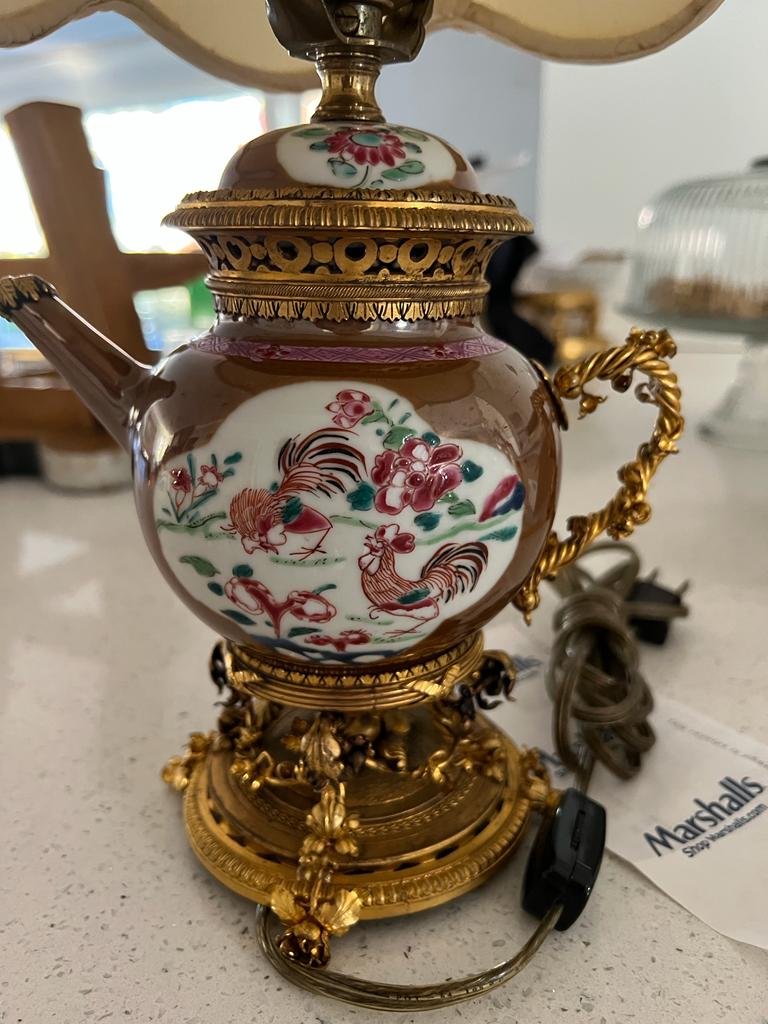
Antique collections often contain more value than owners expect. A cabinet passed down through the family, an old piece of crystal, a collection of coins, or a painting bought years ago may have a history that makes it valuable to collectors today.
The challenge is knowing which items are worth keeping, which can be sold, and what they may actually be worth. This becomes even more important when you are clearing an estate, downsizing, or handling a collection that has been passed down through several generations.
Understanding different types of antique estate collectables can help you identify valuable pieces before selling them. It can also help you prepare your collection for a professional evaluation.
What Are Antique Estate Collectables?
Antique estate collectables are valuable or interesting objects found in private collections, family estates, inherited belongings, and older homes. They can include decorative pieces, artwork, glassware, jewelry, coins, carpets, and other objects with historical or collector interest.
Some pieces may have monetary value because they are rare or made by a well known manufacturer. Others may be valuable because of their age, craftsmanship, condition, or history.
A collection does not have to contain extremely rare objects to be worth evaluating. Sometimes several related pieces together can attract the attention of collectors.
Which Antique Collections Can Have Value?
There are many different types of collections that may have value. Some people inherit complete collections, while others gradually build them over many years.
Common examples include:
- Fine art and paintings
- Antique jewelry
- Vintage watches
- Coins and currency
- Silver items
- Porcelain
- Asian antiques
- Antique glassware
- Crystal
- Rugs and carpets
- Military items
- Decorative objects
- Historical collectibles
The condition and authenticity of each item can have a major effect on its value. This is why it is better to have valuable pieces examined rather than relying only on online prices.
Why Is Baccarat Crystal Glass Popular With Collectors?
Baccarat crystal glass is known for its craftsmanship and long history. Baccarat is a French crystal manufacturer whose pieces can be found in many private collections.
Collectors may look for Baccarat crystal because of its design, quality, age, pattern, rarity, and condition. Certain pieces may also be more desirable because of their particular style or limited production.
If you have Baccarat crystal in an inherited collection, avoid throwing away old packaging, documentation, receipts, or other information connected to the pieces. These details may help establish the history of the collection.
It is also better not to polish or make major changes to older crystal before having it evaluated. A professional can examine the piece and determine what details may be important.
What Makes Lalique Crystal Glass Collectible?
Lalique crystal glass is another category that can attract collectors. Lalique is known for its distinctive designs and detailed decorative work.
Older Lalique pieces may feature recognizable designs, signatures, markings, or patterns that help identify them. The age, condition, rarity, design, and authenticity can all influence collector interest.
If you have Lalique pieces as part of an estate collection, keep them together when possible. Related pieces can sometimes provide useful information about the collection and its history.
Do not assume that every piece has the same value. A professional evaluation can help determine the differences between individual items.
What Factors Determine the Value of Antique Collectables?
The value of an antique or collectible depends on several factors. Age alone does not automatically make an item valuable.
Some of the main factors include:
Age and History
Older objects with an interesting history may attract collectors, especially when their origin can be documented.
Condition
Cracks, chips, repairs, missing parts, stains, or restoration can affect the value of an antique. However, the effect depends on the individual item.
Rarity
Items that are difficult to find may have stronger collector demand than commonly available pieces.
Maker or Manufacturer
A known artist, designer, manufacturer, or brand can make an item more desirable.
Authenticity
Authentic pieces generally have more collector interest than reproductions or items with uncertain origins.
Provenance
Documents, family records, receipts, photographs, and previous ownership information can sometimes help establish an item’s background.
Current Demand
Collector interest can change over time. An item that was overlooked in the past may become more desirable as interest in a particular category grows.
Should You Sell an Entire Antique Collection?
You do not always need to sell an entire collection at once. Some owners prefer to sell individual pieces, while others want to liquidate a larger collection.
The right choice depends on your situation.
If you are clearing an estate, selling a complete group may be more convenient. If you have a smaller collection with a few valuable pieces, you may prefer to evaluate the items individually.
A professional buyer can examine the collection and help you understand your options before you decide what to sell.
What About Antique Coins and Currency?
Coins and currency are common parts of inherited collections. Their value can depend on factors such as rarity, date, minting details, condition, precious metal content, and collector demand.
Old gold and silver coins should not be judged only by their metal value. Some coins may have additional collector value because of their rarity or historical importance.
The Antique Collections page specifically notes that the business evaluates and purchases United States and foreign gold and silver coins, bullion coins, and currency. It also mentions certified coins from NGC and PCGS.
If you have a coin collection, keeping the coins organized and preserving any certificates or original holders can make the evaluation process easier.
Can Antique Artwork Be Part of an Estate Collection?
Yes. Artwork is often an important part of an estate collection. Paintings, watercolors, landscapes, portraits, modern art, and other works may have collector interest.
The artist, signature, medium, provenance, condition, subject, and history can all influence the value of artwork.
The Antique Collections page states that the business buys different types of American artwork and mentions artists including Norman Rockwell, Jackson Pollock, Andy Warhol, John Singer Sargent, and Edward Hopper.
If you have artwork in an inherited collection, avoid attempting repairs or cleaning yourself. Even small changes can affect the appearance and condition of an older work.
When Should You Get an Antique Collection Evaluated?
An evaluation can be useful in several situations.
You may want an evaluation if you have:
- Inherited an estate
- Received an old family collection
- Found valuable items while clearing a home
- Collected antiques for many years
- Received Baccarat or Lalique crystal
- Inherited coins or currency
- Decided to downsize
- Considered selling artwork
- Wanted to understand the value of a collection before dividing it among family members
Getting an evaluation before selling gives you a better understanding of what you own. It can also help you avoid accidentally selling an unusual or valuable item without knowing its potential worth.
Why Work With Professional Antique Collection Buyers?
Selling an antique collection can be difficult when you do not know where to start. Professional antique collection buyers have experience examining different types of items and can help you understand the selling process.
D & J Antique Buyers states that it has been studying and collecting antique collections since 1998. The business also offers free verbal evaluations and can arrange home visits when a collection is too large to transport.
This can be useful when dealing with artwork, carpets, or an entire estate.
The company also states that sellers can bring either individual items or larger collections for evaluation, making the process suitable for different types of sellers.
What Should You Do Before Selling Antique Collectables?
Before contacting a buyer, gather as much information as possible about your collection.
Look for old receipts, photographs, certificates, letters, family records, labels, signatures, and other documents. Do not throw away original boxes or packaging if you still have them.
Keep fragile pieces in a safe place and avoid unnecessary cleaning. Take clear photographs of markings, signatures, labels, and any visible damage.
Most importantly, do not assume that an item has little value simply because it looks old or ordinary. A professional evaluation may reveal details that are not immediately obvious.
Frequently Asked Questions
1. What are the most common types of antique estate collectables?
Common examples include artwork, jewelry, coins, porcelain, silver, crystal, carpets, watches, Asian antiques, military items, and other vintage collectibles.
2. Is Baccarat crystal glass valuable?
Some Baccarat crystal pieces can have significant collector interest. Their value can depend on the design, age, condition, authenticity, rarity, and current demand.
3. Is Lalique crystal glass collectible?
Yes. Lalique pieces are collected for their distinctive designs, craftsmanship, age, rarity, and condition. Individual pieces can vary considerably in value.
4. Should I clean antique crystal before selling it?
It is better to avoid major cleaning or polishing before professional evaluation. Incorrect cleaning can potentially damage an older piece or affect its condition.
5. Can I sell only one item from an antique collection?
Yes. You do not necessarily need to sell an entire collection. Individual antiques can be evaluated separately, depending on the buyer and the type of item.
6. Are inherited coins worth getting evaluated?
Yes. Some inherited coins may have value beyond their metal content. Rarity, age, condition, minting details, and collector demand can all affect their worth.
7. Can large antique collections be evaluated at home?
Some buyers offer on site evaluations for large collections that are difficult to transport. This can be especially useful when dealing with, artwork, carpets, or an entire estate.
8. What should I bring when having an antique collection evaluated?
Bring any documents, certificates, receipts, photographs, packaging, or ownership records connected with the items. These details may help provide more information about the collection.
Get Your Antique Collection Professionally Evaluated
An inherited collection can contain much more than sentimental value. Baccarat crystal, Lalique crystal, artwork, coins, jewelry, carpets, and other antique estate collectables may attract collectors depending on their history, condition, rarity, and authenticity.
Instead of guessing what your collection is worth, consider getting the items professionally evaluated. A proper evaluation can help you understand what you own and make a more informed decision about whether to keep, sell, or preserve individual pieces.
D & J Antique Buyers provides evaluations for individual antiques and larger collections and serves clients in New York City and Long Island.
If you are ready to discuss your collection, contact the team to learn more about the evaluation process.
For more information:
Call Us: 212 432 5887
Email Us: DJantiquebuyers@gmail.com
