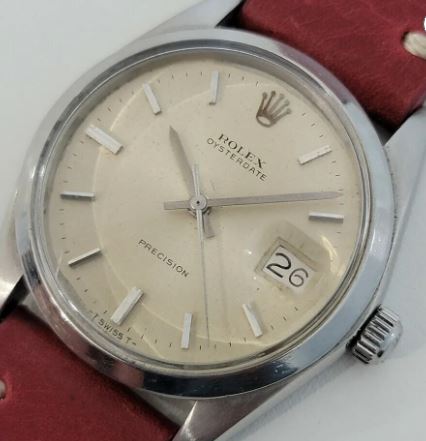
An old watch sitting in a drawer could be worth more than you expect. But age alone does not determine its value. The brand, model, condition, originality and demand among collectors all influence what a buyer is willing to offer.
If you are considering where to sell vintage watches in NYC, it helps to understand what buyers look for before requesting an appraisal. You do not need to be a watch collector to get started. Even a few details about the watch’s history, visible condition and original packaging can help you prepare.
At D & J Antique Buyers, we evaluate vintage watches as part of our antique buying services. Whether you have inherited a family timepiece, found an old watch while clearing an estate or are ready to sell a piece from your collection, understanding these seven factors can help you approach the process with more confidence.
The Brand and Model Can Make a Difference
The name on the dial is a useful starting point, but the specific model matters just as much.
Watches from recognised manufacturers such as Rolex, Omega and Patek Philippe attract interest from collectors. However, two watches from the same brand can have very different values. Production numbers, model popularity, materials and collector demand all play a part.
For example, a sought-after vintage model with its original dial can attract more interest than a more common model from the same manufacturer. The reference number, if available, can help identify the exact version.
Look for the brand name and any numbers engraved on the case or between the lugs. Avoid opening the watch yourself if you are unsure how to handle it. A professional evaluation can help establish what you have.
When comparing antique watch buyers, look for a service that considers the individual timepiece rather than relying on its brand name alone.
Condition Matters, but Wear Does Not Tell the Whole Story
A watch does not need to look brand new to interest a collector.
Scratches, worn straps, tarnishing and a watch that no longer runs can affect an offer. However, these signs do not automatically make an old timepiece worthless. Its rarity, originality and the cost of any necessary repairs also matter.
Pay attention to the following areas:
- Dial: Look for discolouration, damage, refinishing or signs of replacement.
- Case: Check for dents, scratches and visible polishing.
- Movement: Note whether the watch runs, stops intermittently or has not been tested.
- Hands and crown: Look for missing parts or replacements.
- Bracelet or strap: Check whether the original bracelet is present and whether links are missing.
One important point: do not pay for repairs simply because you assume they will increase the selling price. A repair can cost more than the additional value it creates, and some collectors prefer original parts over replacements.
If the watch has been sitting unused for years, describe its condition honestly and let the buyer assess it.
Original Parts Can Affect Collectability
For many vintage watches, originality is a significant consideration.
Collectors often pay close attention to whether the dial, hands, bezel, case and other components match the original specification. A replacement part is not necessarily a problem, but it can affect the watch’s desirability depending on the model and the quality of the replacement.
This is particularly relevant for older luxury watches. A dial that has been refinished, for example, can look cleaner than an original dial but still be less desirable to certain collectors.
If you have service receipts or records showing previous repairs, keep them with the watch. They can help explain what has been changed and when.
Avoid polishing the case, replacing the dial or making cosmetic changes before an evaluation. What appears to be an improvement could remove useful evidence of the watch’s original condition.
Age and Rarity Are Not the Same Thing
A watch manufactured decades ago is not automatically an antique of high value.
Age helps establish a watch’s history, but rarity and current demand are also important. A model produced in large numbers can be less sought after than a less common reference with a strong collector following.
Limited production, unusual dial variations, discontinued models and historically significant designs can attract additional attention. The exact reference and its condition help determine whether those characteristics matter in the current market.
This is why a simple online search for a similar-looking watch can be misleading. Two examples that appear identical in photographs could differ in reference number, movement, production period or originality.
A professional assessment helps establish the details that are not always obvious from the outside. If you are researching vintage watch buyers in NYC, choose a buyer who is willing to consider these differences when reviewing your watch.
Keep the Box, Papers and Service Records
Do you need the original box and paperwork to sell a vintage watch? No, not in every case. However, supporting documentation can help establish its history and completeness.
If available, gather:
- The original presentation box.
- Warranty papers or a certificate of authenticity.
- Purchase receipts.
- Previous appraisal documents.
- Service and repair records.
- Instructions and other original accessories.
These items can help connect the watch to its original sale or document its service history. Their effect on value depends on the brand, model, age and collector demand.
Do not assume that a watch without paperwork cannot be sold. The timepiece itself can still be evaluated using its identifying features, condition and other relevant details.
If you have inherited the watch and do not know where its documents are, start with what you have. Clear photographs and any family information about its origin can provide a useful starting point.
An Inherited Watch May Deserve a Closer Look
Some of the watches people consider selling have been in their families for decades. They might have belonged to a parent, grandparent or another relative, and their significance can extend beyond their financial value.
If you have received a watch as part of an inheritance or estate, you might not know its brand, age or purchase history. That is perfectly understandable.
Start by photographing the front, back and any visible markings. Note whether the watch runs, whether its original box is available and whether you have any paperwork. Keep any loose parts together and avoid attempting to clean or repair the watch before it is assessed.
If you are handling several items from an estate, it can also be helpful to organise the watches separately and make a note of anything you know about each one.
D & J Antique Buyers works with individual items and estate collections. You can begin by sharing photographs and basic details through our contact page to discuss an evaluation.
Understand What a Buyer Will Consider Before Making an Offer
A watch’s potential resale value and the amount a buyer offers are not always the same.
A retail asking price is what a seller hopes to receive. An auction result reflects a particular sale and its conditions. A direct buyer’s offer takes account of the watch’s characteristics, expected resale prospects and the costs or risks associated with acquiring it.
When evaluating a vintage watch, relevant considerations include:
| Factor | Why it matters |
| Brand and model | Helps establish the watch’s market and collector interest. |
| Condition | Affects desirability and potential repair costs. |
| Originality | Can influence appeal to collectors. |
| Rarity | Certain models and variations attract stronger interest. |
| Documentation | Can support identification and ownership history. |
| Current demand | Influences what buyers are prepared to pay. |
If you want to compare offers, provide the same information to each buyer. Ask how the watch was assessed and clarify whether the quoted amount is a preliminary estimate or a final offer following inspection.
Our dedicated vintage watch buying service explains how to begin the process with D & J Antique Buyers.
Ready to Find Out What Your Watch Is Worth?
You do not need to identify every detail before asking for an evaluation. Start with the information you have, gather any paperwork and take clear photographs of the watch.
D & J Antique Buyers purchases vintage watches and other antiques, with evaluations based on the individual item. Our team also assists people selling inherited items and estate collections across New York City and Long Island.
If you are ready to discuss a watch, contact us with its brand, any visible model details, its condition and photographs where available. We can explain the next steps and discuss an appropriate evaluation.
Contact D & J Antique Buyers About Your Watch
Call or text: +1 212-432-5887
Email: DJantiquebuyers@gmail.com
Frequently Asked Questions
1. How do I know if my old watch is valuable?
Start by identifying the brand, model and any reference numbers. Condition, originality, rarity and current collector demand also influence value. If you cannot identify the watch yourself, share clear photographs and arrange an evaluation.
2. Can I sell a vintage watch without its original box or papers?
Yes. Missing paperwork does not automatically prevent a sale. A buyer can assess the watch’s identifying features, condition and other relevant details, although original documentation and accessories can affect the offer for some models.
3. Do antique watch buyers purchase watches that no longer work?
A non-running watch can still have value, depending on its brand, model, condition and parts. Describe the problem when requesting an evaluation, and avoid paying for repairs until you understand whether the work is likely to be worthwhile.
4. How can I sell vintage watches in NYC?
Begin by contacting a watch buyer and providing the brand, model details, condition and photographs. You can then discuss an evaluation and the next steps. D & J Antique Buyers can be contacted at 212-432-5887 or through its online contact form.
5. Should I get my vintage watch repaired before selling it?
Not necessarily. Repair costs can outweigh the increase in value, and replacing original components can affect collector interest. Have the watch evaluated in its current condition before deciding whether to spend money on servicing.
6. Does an inherited watch need an appraisal before I sell it?
A professional evaluation can help establish what the watch is and what factors influence its value. If you are managing an estate, keep the watch, accessories and available documents together, and share any known history when requesting an assessment.
